Protecting Our Fresh Water Resource –
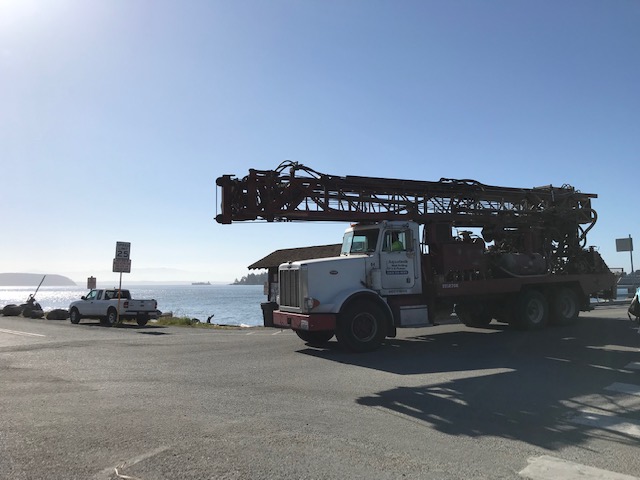
In July 2024, the following words “prior to drilling in a Sole Source Aquifer” were added to the Skagit County Code associated with well drilling (SCC 14.24.380), after years of effort by the Guemes Island Planning Advisory Committee (GIPAC). This code details the requirements for drilling a new well in seawater intrusion areas, which includes the entirety of Guemes Island.
Why this is important? The addition of the words “prior to drilling in a Sole Source Aquifer” effectively closes a loophole in the County Code and by doing so, protects Guemes Island’s Sole Source Aquifer and the existing water rights of Island residents.
Previously, Skagit County only reviewed well drilling applications when the well was associated with a building permit. This meant that people could buy a piece of property, put in a well, and maybe down the line build a house. Through no fault of their own, their well was never assessed in terms of the impact it would have on existing neighbor’s water quantity and quality.
Closing this loophole means that all new wells will be reviewed. This oversight will provide better protection your water.
What does this mean for Islanders? If you are putting in a new well – either the first one on your property or replacing a failed well – the code will apply to you. This code is not applicable if you are repairing an existing well. The current well drilling requirements remain the same and include submitting the following information:
- A site plan (including inland well site location)
- Estimated depth of well
- Estimated land elevation of the well
- Depth and chloride levels of surrounding wells
- Drilling plan
- Applicable fee
Siting, depth and other information about a proposed new well protects both the applicant and neighbors against seawater intrusion. If you see a new well going into your neighborhood, be sure that the well driller checks with you regarding the status of chlorides in your well. If you are experiencing higher chlorides, approaching 100 mg/l up to 250 mg/l, the well driller should not put in a new well in your area. The well driller is required to check with you prior to drilling the new well.
It is a good idea to test your own well to monitor the chloride levels. This can be done using a commercially available chloride test kit, or by taking a sample of your well water to Edge Analytical in Burlington. They charge about $35.00 for a chloride test. The best time of year to test the chlorides in your well is during the month of September after the dry months of summer and when there is usually more summer draw down of the island’s aquifers.
And what happens if a new well is not allowed to be drilled? GIPAC has advocated rain-catchment systems as an alternative to wells on Guemes Island and through our efforts, Skagit County now allows whole house water catchment systems. Several homes on the island have since been permitted and built with rain water systems for potable and non-potable water uses.
 Guemes Island Planning Advisory Committee